
My friends and family,
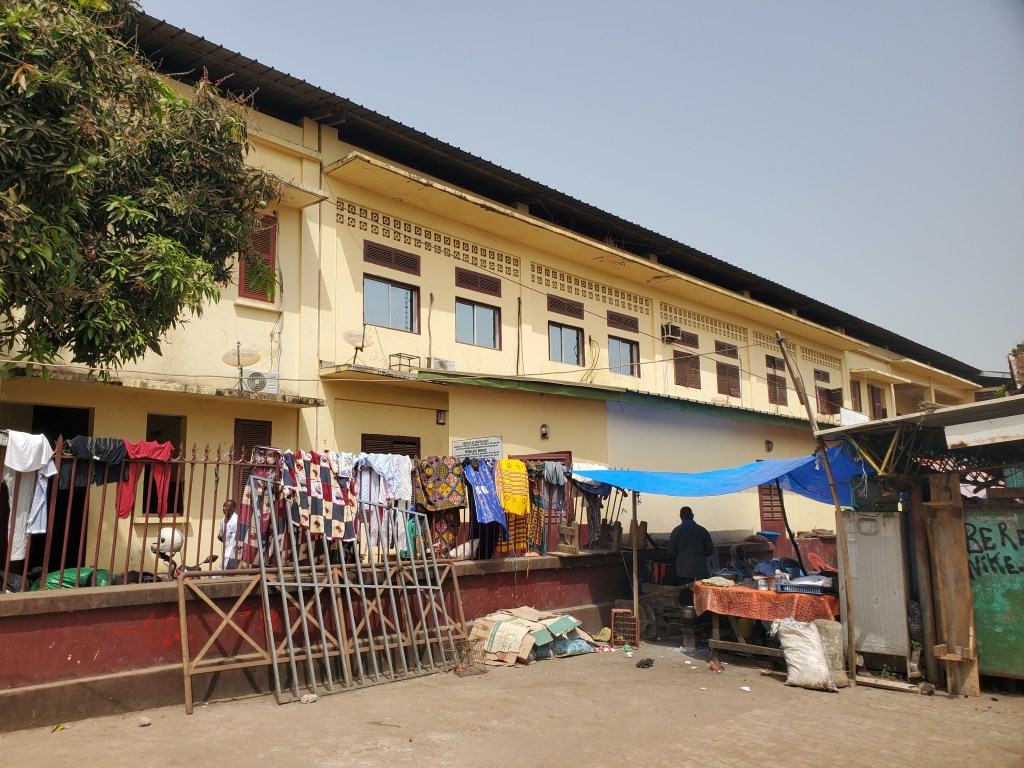
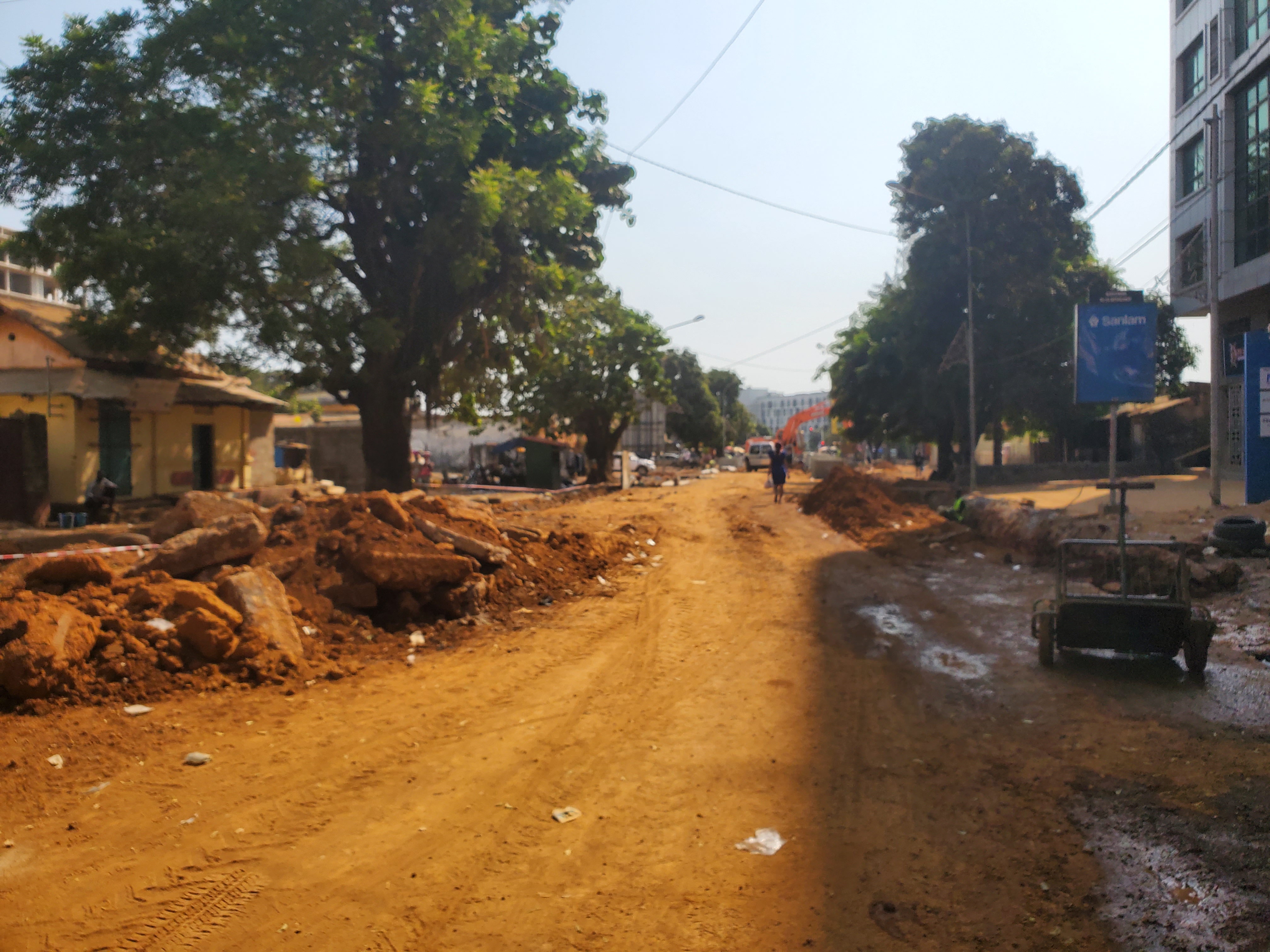
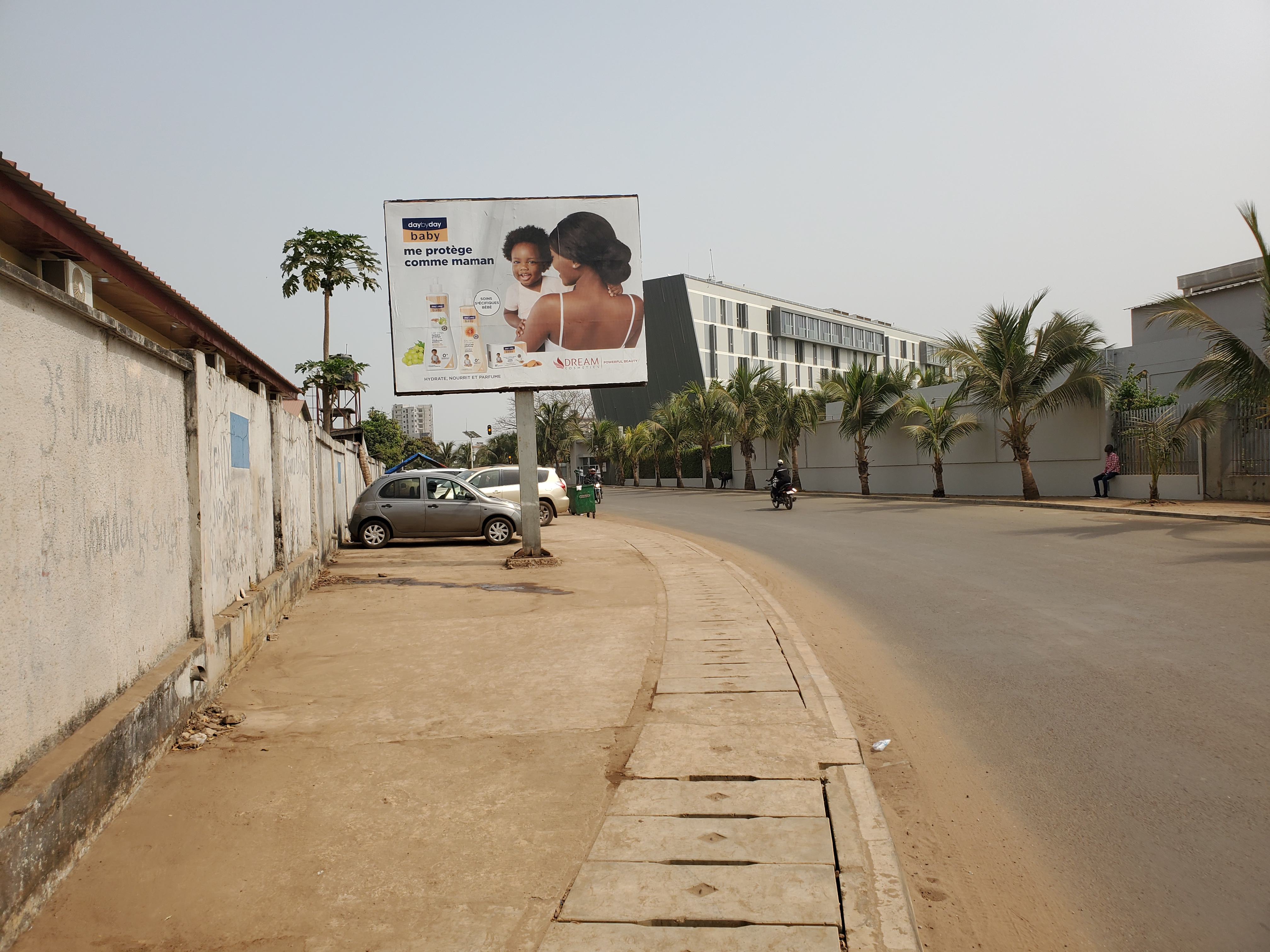
From the outside, you might not realize that it’s a hospital. It straddles both sides of the road at the east end of the Kaloum district, each half an unimposing two-story building painted a stale yellow that hasn’t seen a fresh coat this decade. At the water’s boarder lies a hotel that seems built for foreigners, although scarcely have I seen a visitor pass through the imposing black iron fence separating the building from the public road. Opposite the hotel, to the west of the hospital, lies a segment of dusty road that seems permanently under construction. Every morning, I weave past trucks and hop over trenches to make my way to work, where I find a new sea of patients who have also found their way there.
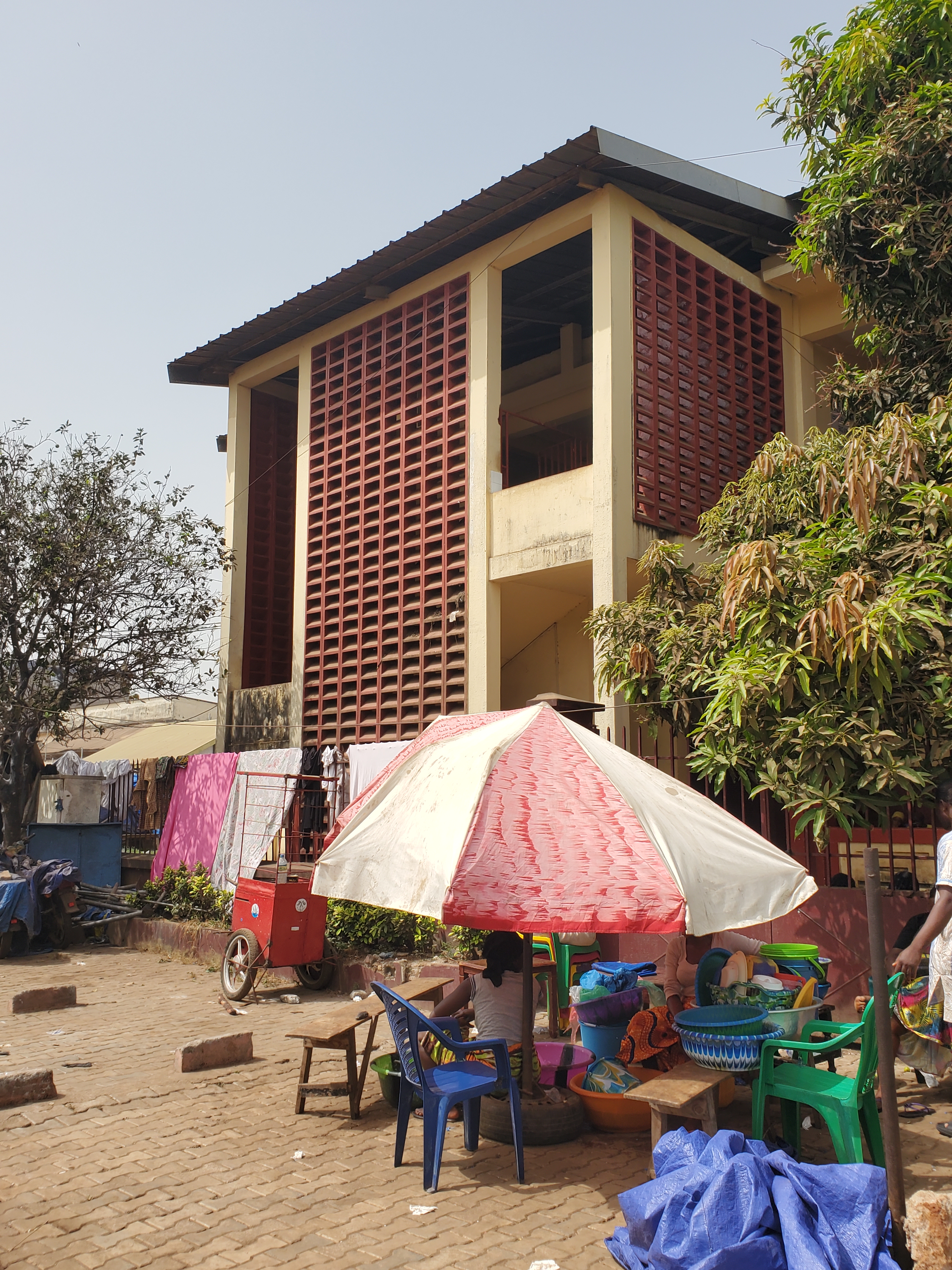
I work in the north building. From the street, you can barely make out the word “NEUROLOGIE” painted toward the west side of the second story. I make my way through a smaller iron gate where there is a line of patients queuing before a man. Even on my first day, arriving without my white coat, he took one look at me and let me pass with a smile. I follow a walkway along an outdoor corridor toward a staircase that wraps around itself to arrive on the second floor. There is a nook under the stairs where there’s a group that sits with prayer mats, baskets of food, and an infant. On the landing of the second floor, there are staff at a desk where patients seem to check in before the corridor splits in opposite directions. To the right are the wards, which I will tour another day; to the left is my new office.
It’s hard to predict what the day will bring. Sometimes there are half a dozen patients waiting for me by the time I arrive, other days there are none. They don’t make appointments here: the patients simply arrive and wait to be seen, patiently lining the halls, sometimes for hours at a time. The doctors leave after their last patient has been seen. Due to the cumbersome process of translation, a straightforward visit may still take me thirty minutes while the complicated ones go long past an hour.
Today is slow, and so I join the adult neurology residents for their visits. The patients come with neurological problems but return with other health issues. “First we are generalists, then we are specialists,” one of the residents tells me. I watch as they work, grasping fragments of the conversation, and occasionally they turn to me to summarize: “he had a traumatic skull fracture last year and he’s still having headaches;” “she has eight children, and her husband wants another, but she’s been having lower back pain and gastritis from all the kids.” When the resident’s phone rings, he stops examining the patient to take the call. “Another patient,” he tells me.
Sometimes their offices fill with multiple patients at a time. Including me, the resident running the encounter, the patient and her relative, at one point there are a total of seven people in the room. We finish with one woman and she goes to sit in a chair in a quiet corner. Seeing me eyeball the medications she’s been prescribed, “c’est bon?” she asks me about one of them. “Oui, c’est bon,” I reply, and she seems satisfied. She remains there until a staff member opens the door and whisks her away someplace; another patient promptly wanders in. This resident’s phone seems to ring at least twice per encounter, someone else needing something on the other end of the line. A few minutes later, that same woman returns again.
In lieu of an EMR, each patient carries with them a little book in which the doctor takes notes to summarize the visit. I am confused to see Joe Biden on the cover of one of them. “Why?” I ask. “For marketing.” “Strange, no?” “Before him was Trump, and then Obama…” At the end of the encounters, the patients seem to pay the doctors directly. I ask how much an MRI costs, and there is confusion as they try to convert the amount to $USD for my benefit. “About $350,” they finally agree. This seems like lot, considering the average monthly salary in the country is about $250. “How long do they have to work to get the study?” “It depends on their job…usually they raise the money through contributions from their friends and family, especially if they have relatives living in other countries.”
A woman in an elegant red and gold dress enters the room as the next patient. She sizes me up quickly: “why do you come to Guinea if you do not speak French?” she asks without an accent. I cannot tell whether I detect an air of amusement about the question. She goes back to speaking well-articulated French with the resident, among the easiest to understand I have yet heard here. At the end of the visit, she thanks the residents in her native language, and then turns to me, says “thank you,” and walks out of the room.
I’ve met two female doctors, but the vast majority are male. As many of the patients are Muslim women, the medical culture has adapted itself the best it can. One woman arrives with a scattering of seemingly unrelated issues. When she undresses for the exam, the resident locks the door. Yet people keep knocking for him, and so every time he opens it, he turns off the light; only the doctors are allowed to see her undressed, he explains. We find a lump in her breast and a mass in her armpit and then send her for a mammogram. I feel unsure I’ve earned the right to bear witness here, but she thanks me all the same before leaving.
Even after two weeks here, there are still many things I do not understand. The last patient of the day is escorted in by her daughter, an elderly woman who’s been having trouble walking. She’s weak on one side of her body, and the CT film she brings with her shows why: a subtle black spot on one of the slides is an old stroke. Then a male about my age wanders into the room; he’s not wearing anything that suggests he is on the staff here, but he is clearly a friend of the residents. They pause the visit to converse with each other, occasionally asking me how to say something in English, and then laughing among themselves as they try to out-pronounce each other. All the while, the patient and her daughter sit there stoically until the visit concludes and they thank us without a trace of annoyance.
I remain safe and well.
-Le Gringo
///
P.S. I still have no idea where the medical supplies are and I’ve given up on my contacts.
///
 neuromantic.net